Bust(in): 24
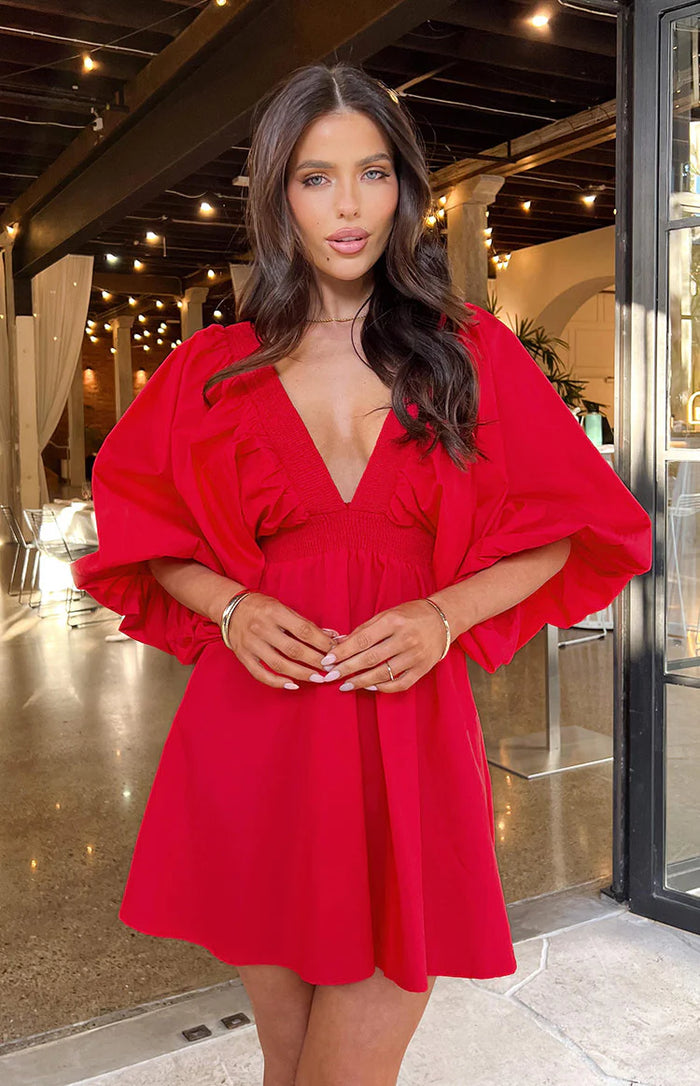
In Fashion in Costume, 1200-2000 (2000) Joan Nunn discusses the changes in fabric and color during this time: Throughout the period light colours were fairly general for evening wear and were considered more suitable for young ladies, as were cottons like muslin or tarlatan, but by the 1860s cotton had lost ground as a high-fashion fabric, and silk, satin, taffeta, faille, moir, silk poplin from Ireland, and velvet for more mature ladies, were used for formal dresses. (166-67) Red was a relatively common color at this time among the elite due to its richness, especially when created through the new aniline (synthetic) dyes that evoked novelty and opulence
To make it feel fresh and modern, tuck it into high-waisted trousers , or tie it at the waist and pair it with wide-leg pants for a breezier, more relaxed silhouette
This style is versatile and flattering for many body types
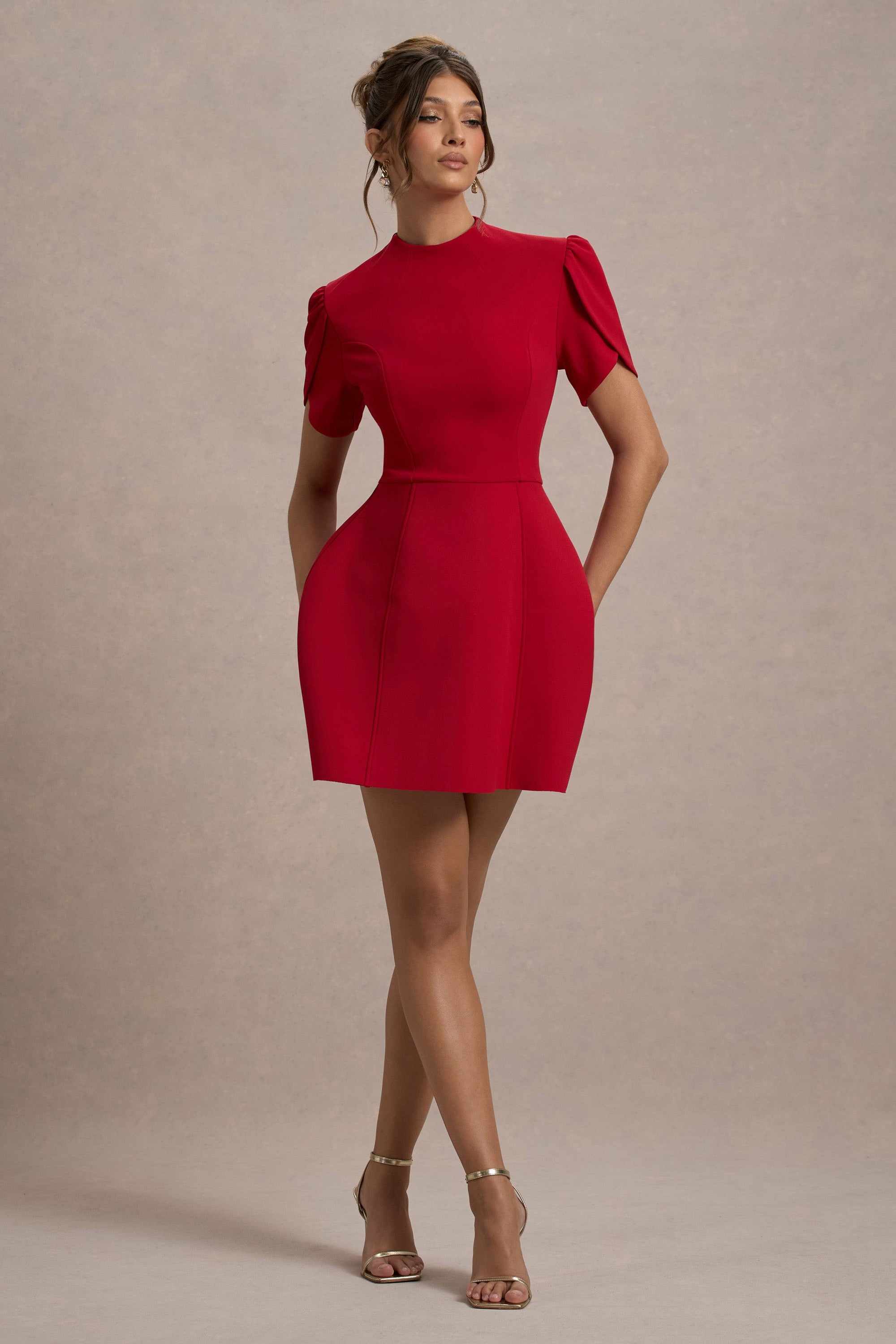
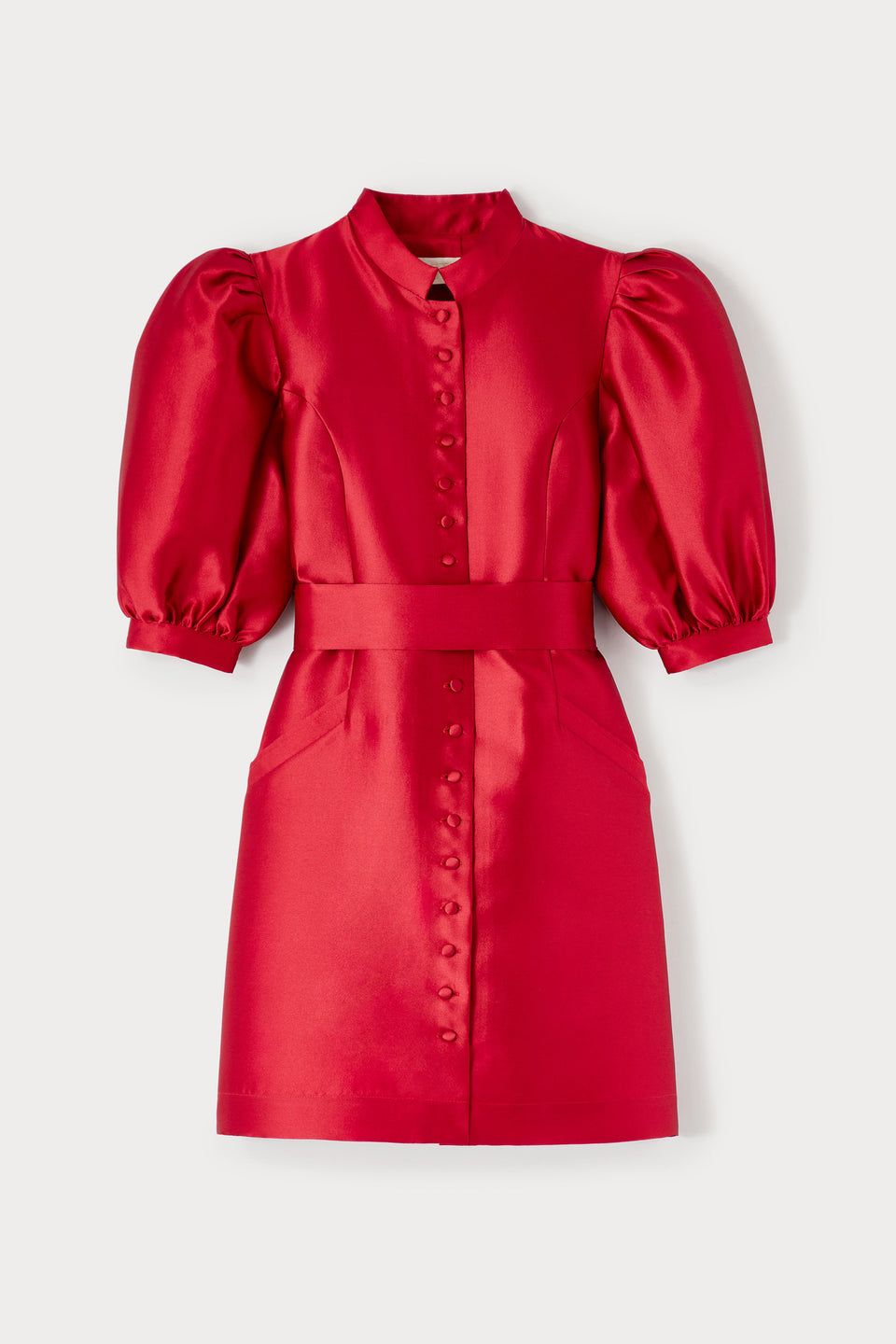
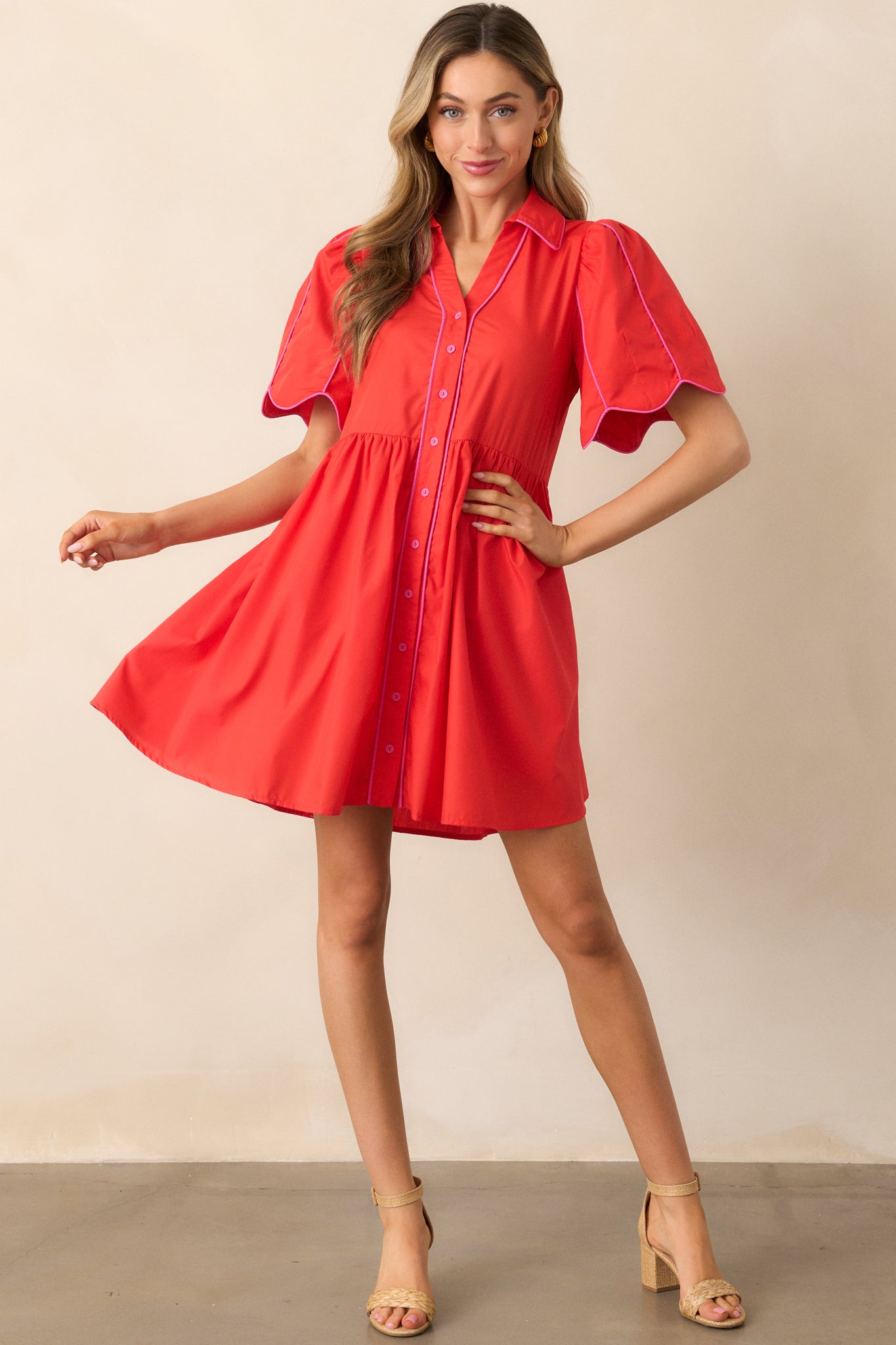
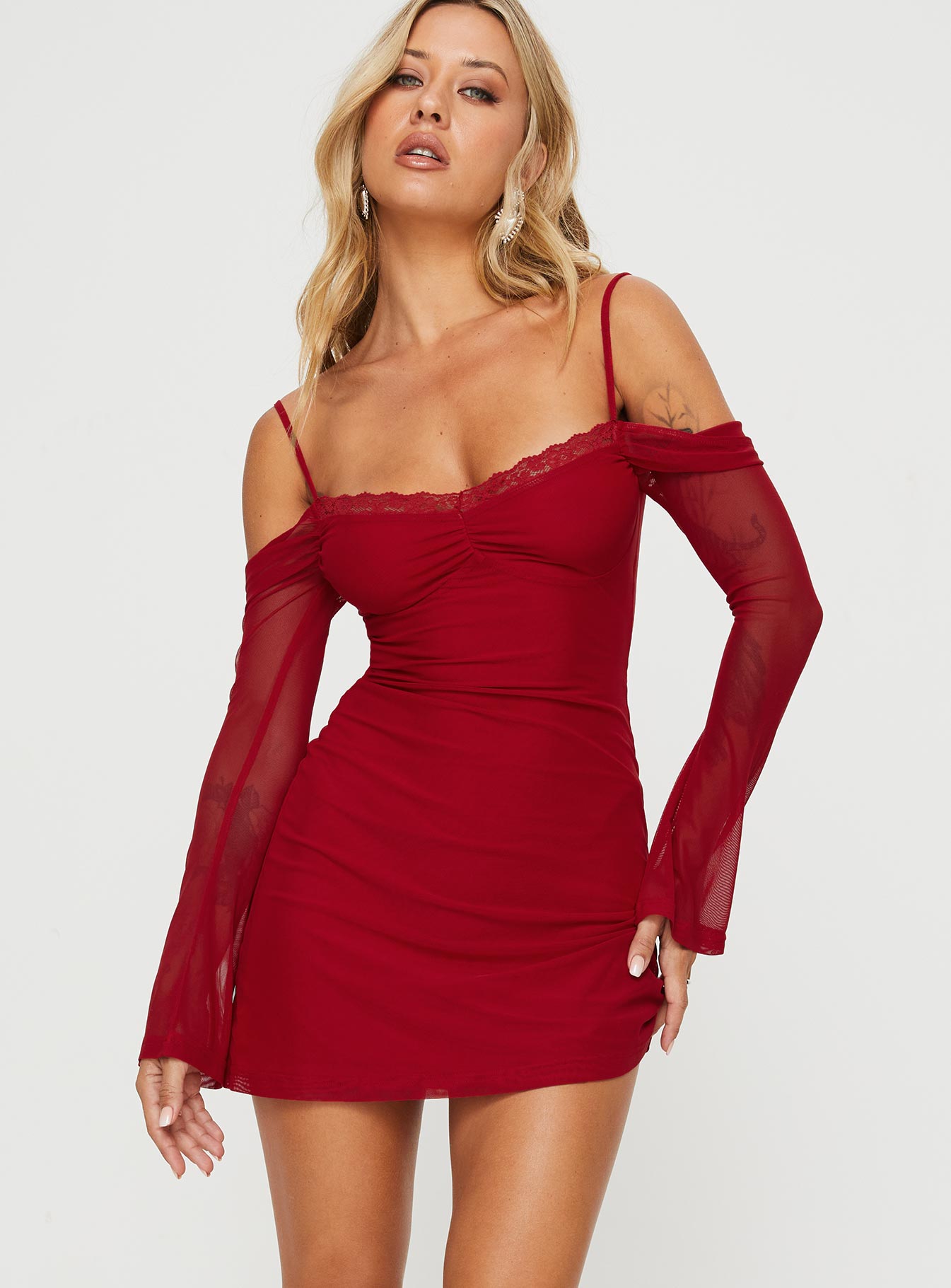
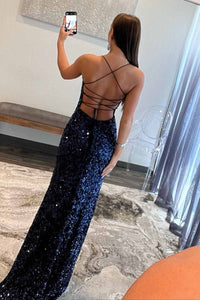
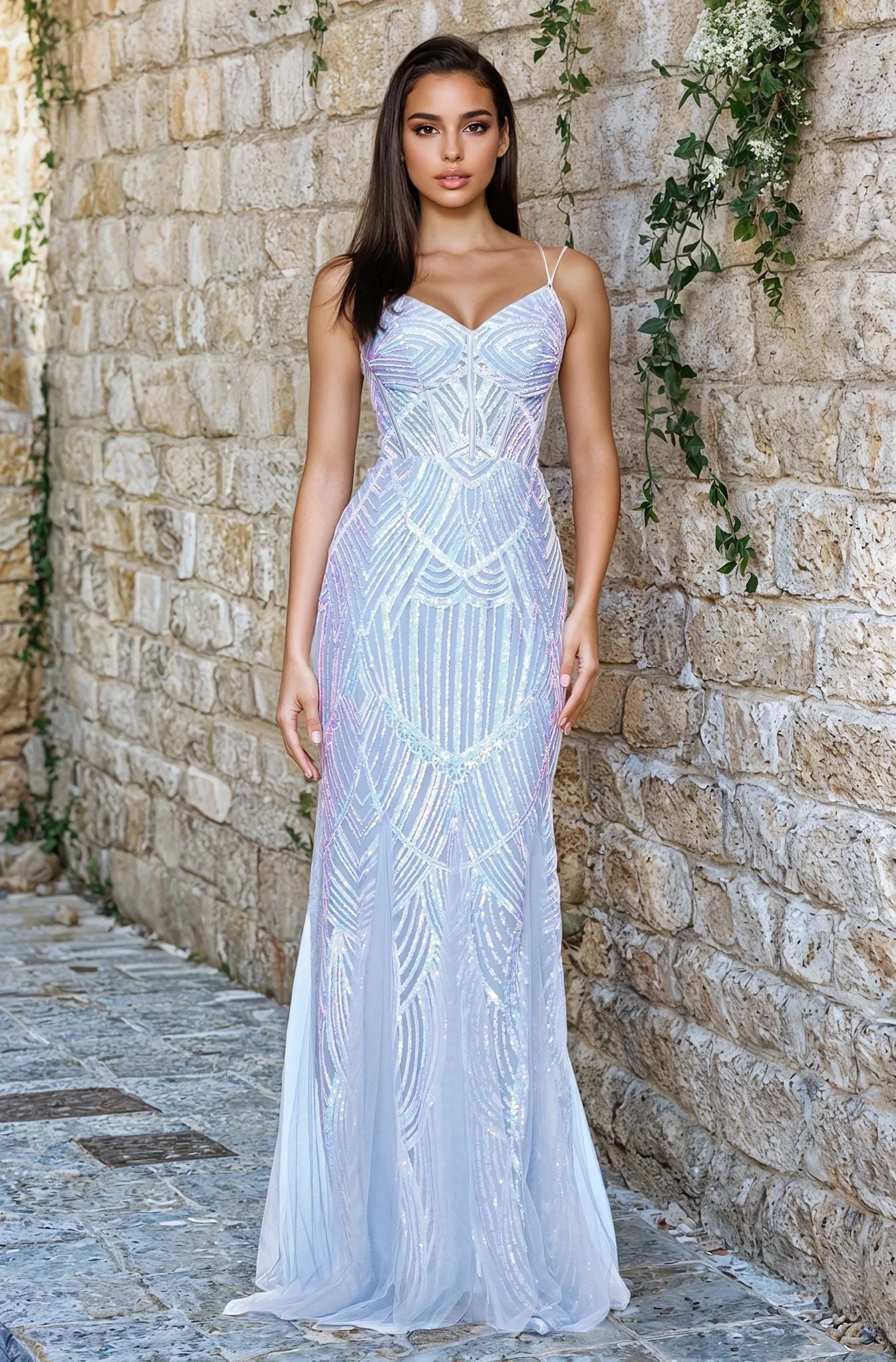
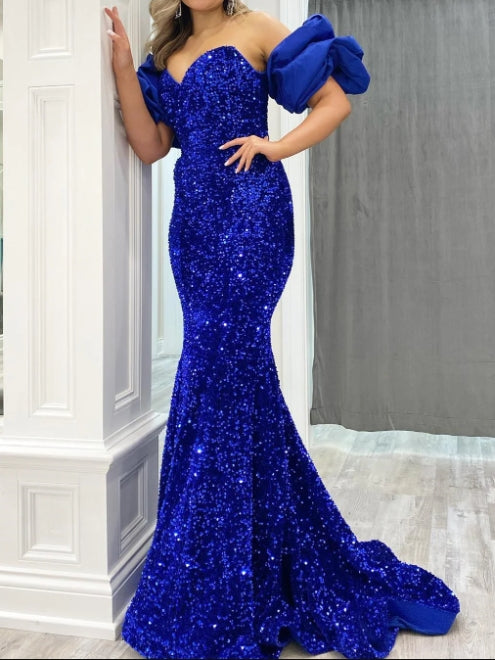
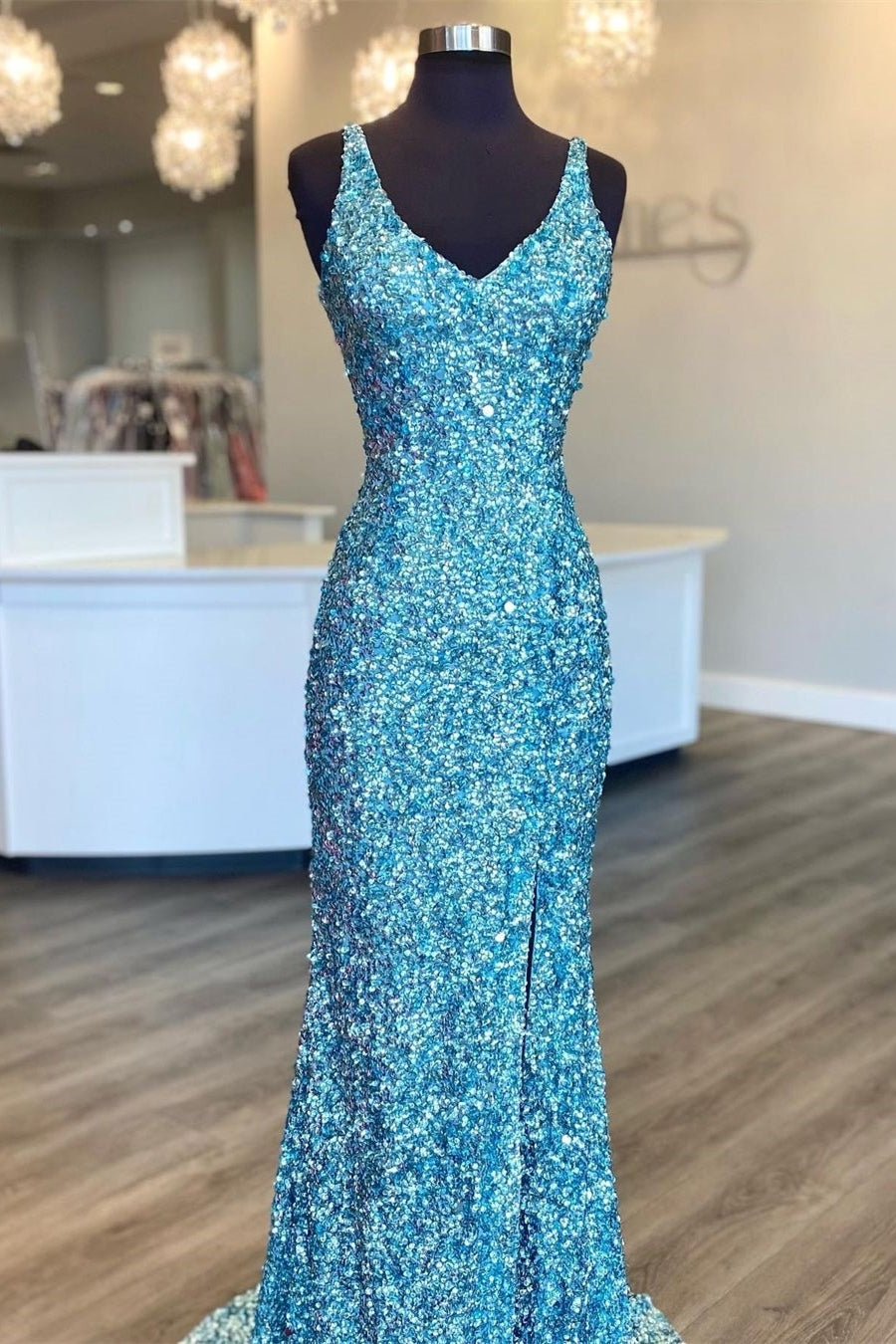
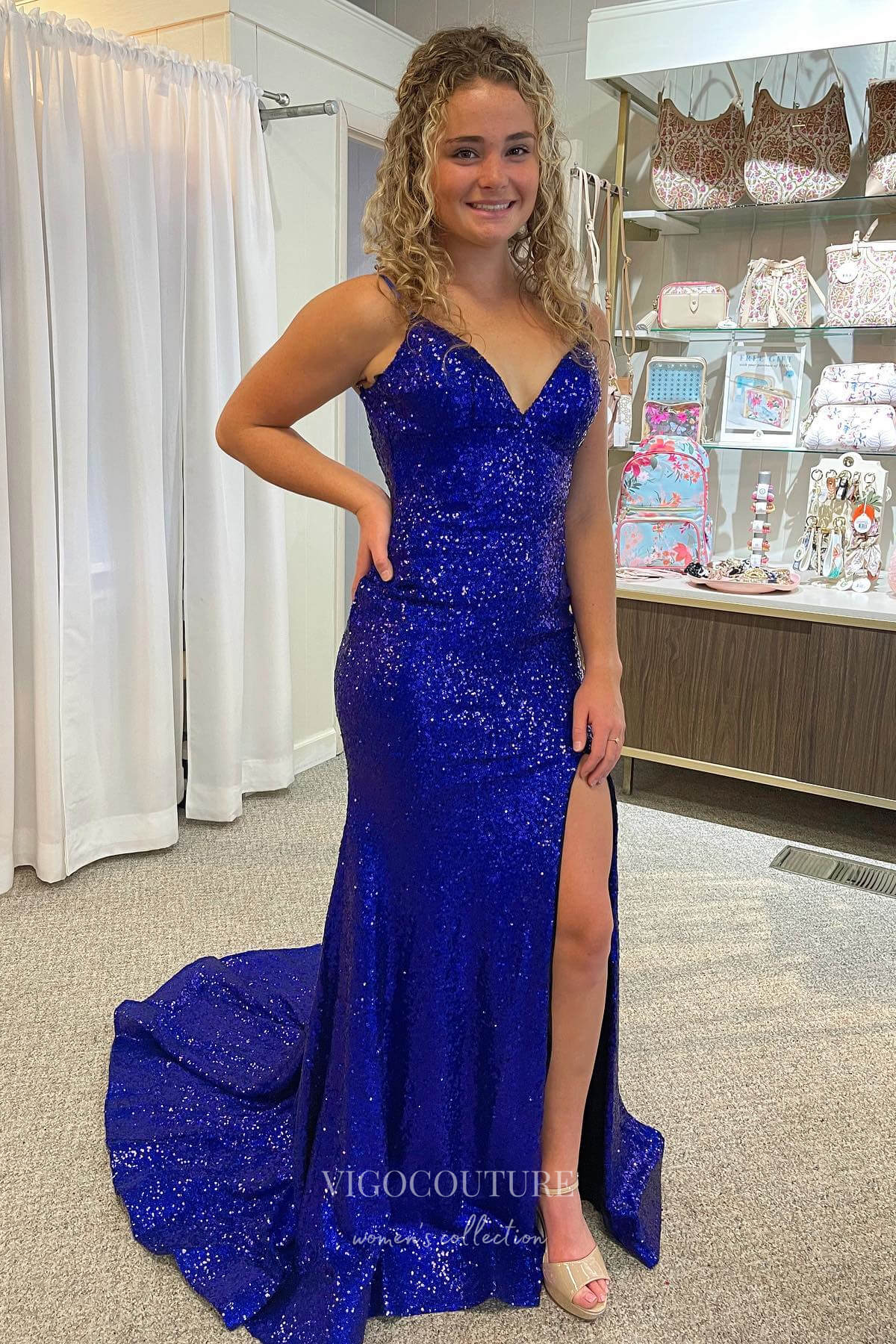
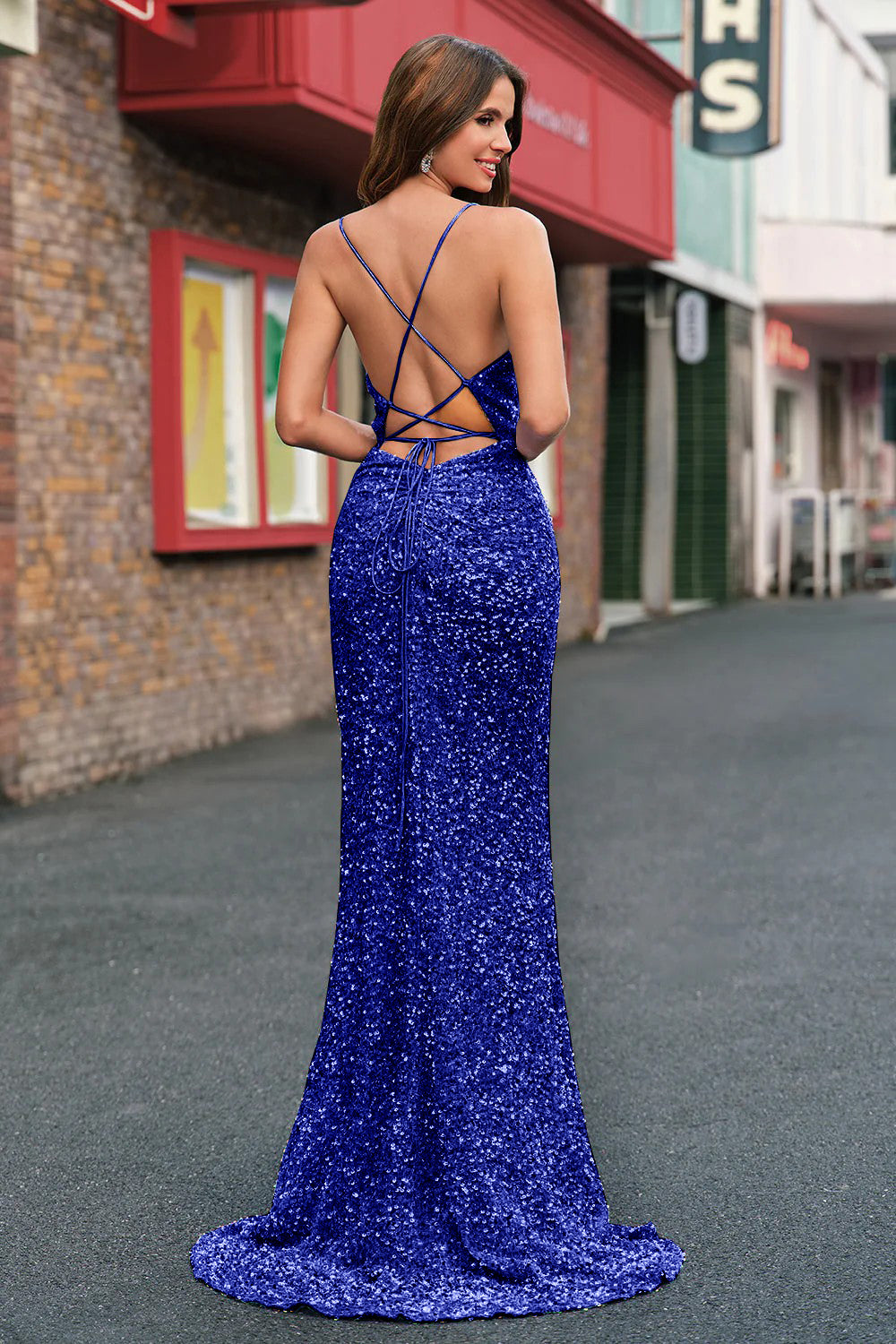
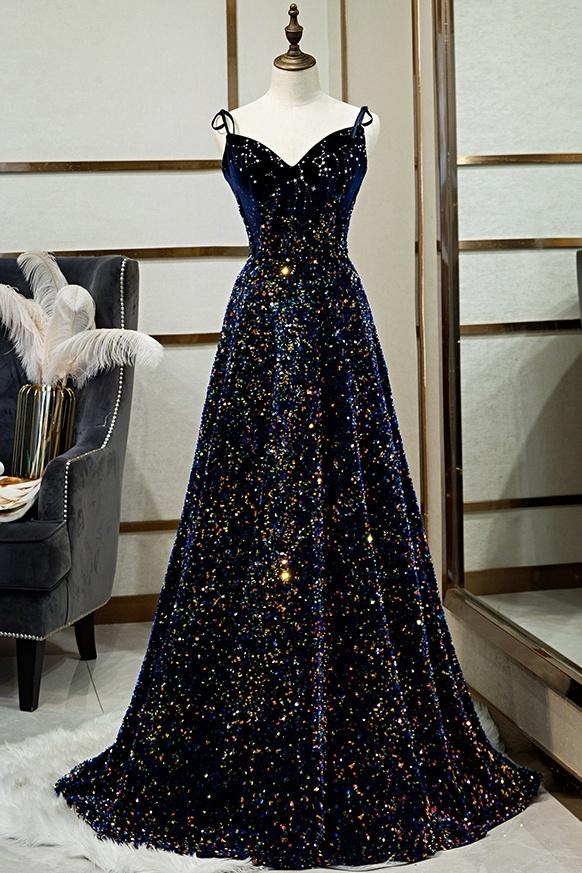
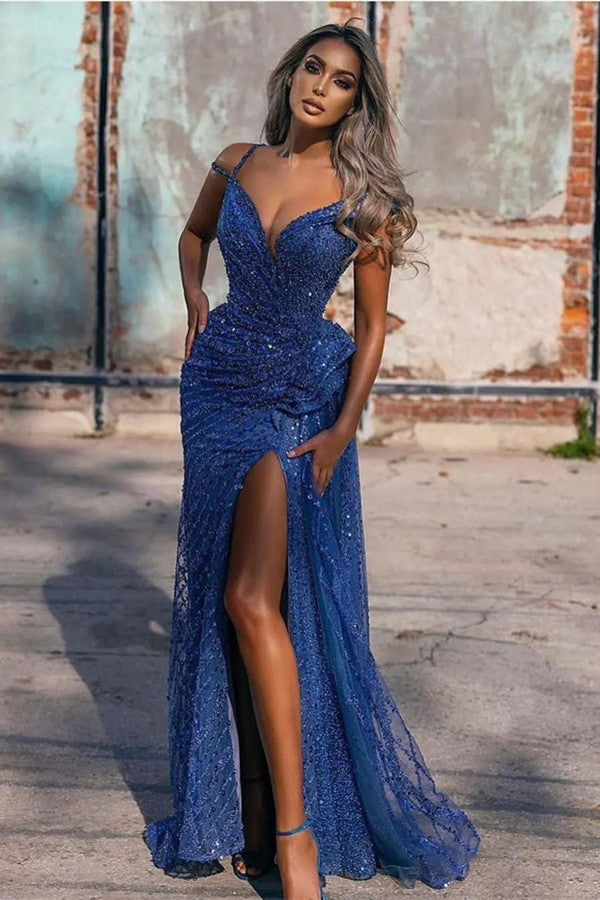
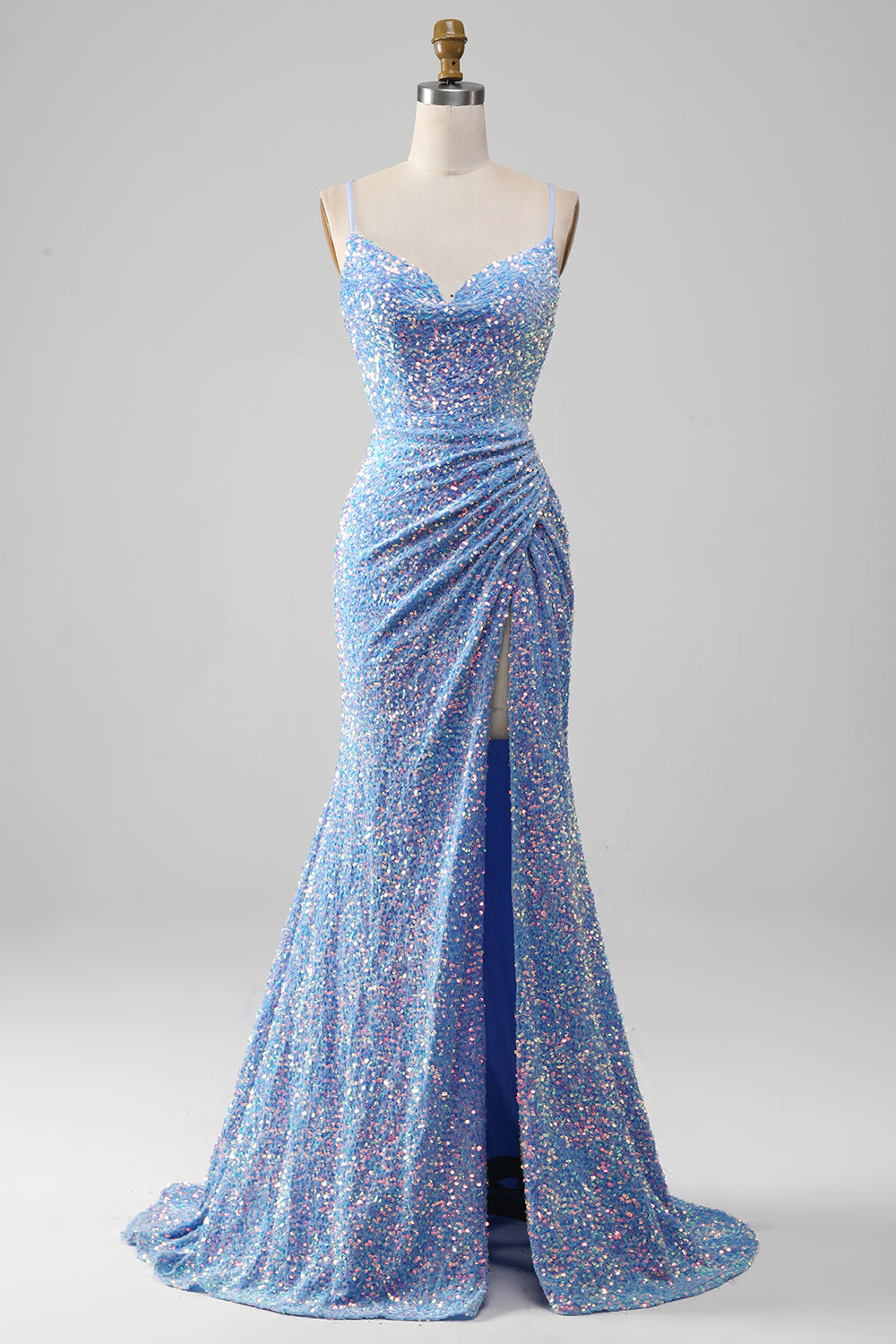
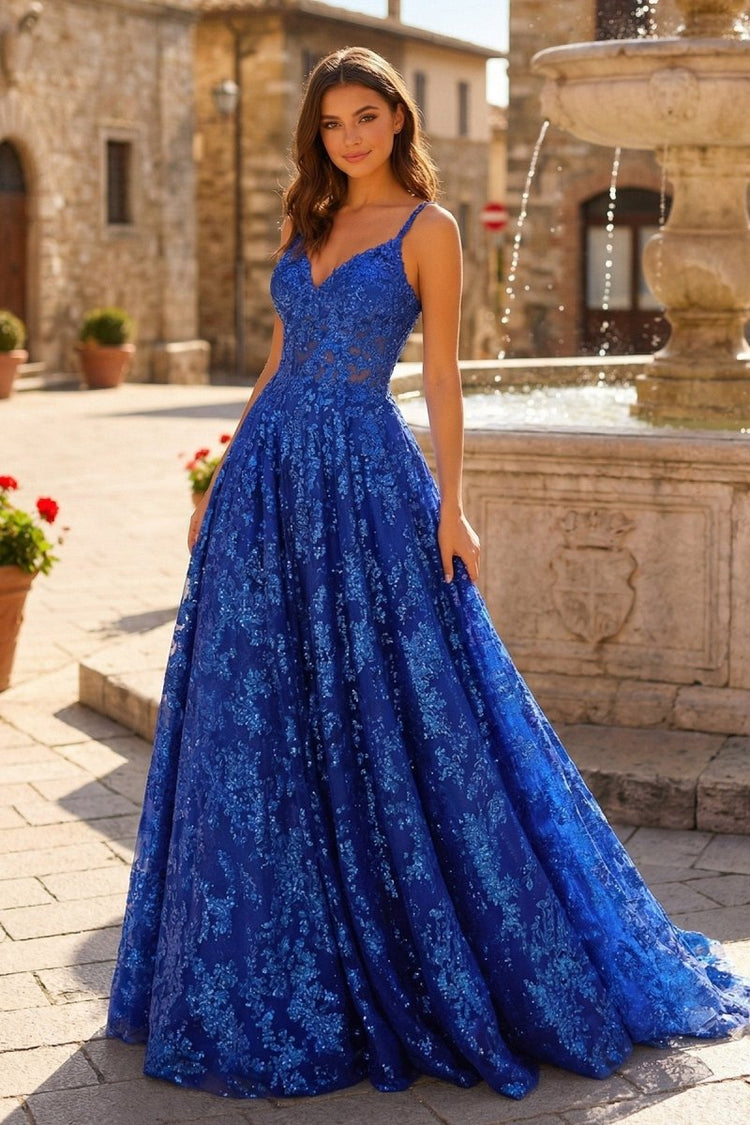
From understated black to soft pastels and statement brights, these formal dresses are effortless to style your way
Picture the richness of warm chocolate and the lightness of creamy tan colorways, all crafted into designs that enhance every look










![One Piece TCG [OP-16] The Time of Battle Booster Box (Japanese) – Card Piece](http://cardpiece.com/cdn/shop/files/74_30f60b1f-af5a-4ef0-a545-e445924d6dc1.png?v=1783075567)

